01 / CONSULT
Begin with your hair story.
Hair loss pattern, donor area, hairline goals and your timeline all belong in the first conversation.

Understand your options. Ask better questions. Take your next step in hair restoration with clarity and confidence.
Personal questions.
A more informed next step.
Clear explanations, without the guesswork.
Make space for long-term planning.
Prepare for a meaningful conversation.

Your hair is personal.
Your next step should feel considered.
From understanding a technique to preparing for a consultation, we make hair restoration easier to explore. Start with useful information and a realistic view of what comes next.
Begin with your priorities, not a package.
Keep the bigger picture in view.
A premium hair restoration journey starts before any procedure. Explore the details that make a first consultation feel calm, considered and personal.

Understand graft planning, extraction, implantation and aftercare before choosing a path.
Open the patient guide
Technique names are only one part of a hair restoration plan. The right questions connect the details.
Read the common questionsUnderstand the terminology, explore the possibilities and know what to ask before choosing a path.
Understand extraction, donor planning and the questions that matter.
Look beyond the instrument. Understand the complete plan.
Explore the guideA clearer perspective on implantation and technique labels.
Explore the guideStart with an individual assessment and a thoughtful conversation.
Explore the guideExplore the questions behind a more discreet process.
Explore the guideAlso explore beard, eyebrow and Afro-textured hair restoration.
View all approaches ↗Extraction and implantation describe different stages. Use this quick guide to bring the right questions to your consultation.
Read the complete comparison ↗FUE describes obtaining individual follicular units from the donor area. It does not, on its own, define how those grafts will be implanted.
How was my donor supply assessed?
How does extraction fit the long-term plan?
DHI commonly describes implantation with an implanter instrument. Donor harvesting may still use FUE, so these labels can belong to the same plan.
How will grafts be harvested and placed?
Why is this approach being recommended?
Sapphire generally refers to the blade used to create recipient sites. Instrument choice is one part of a wider clinical plan.
What role does this instrument play?
What are the relevant alternatives?
A decision is easier when you can see the whole process. Here is a useful starting framework.
Understand the terminology and identify the questions that matter to you.
Discuss your circumstances with a qualified clinician and understand the recommendation.
Review the agreed plan, practical arrangements and individual instructions.
Stay connected with the treating provider and keep the longer-term view.
Useful reading for the decisions around the procedure, as well as the procedure itself.
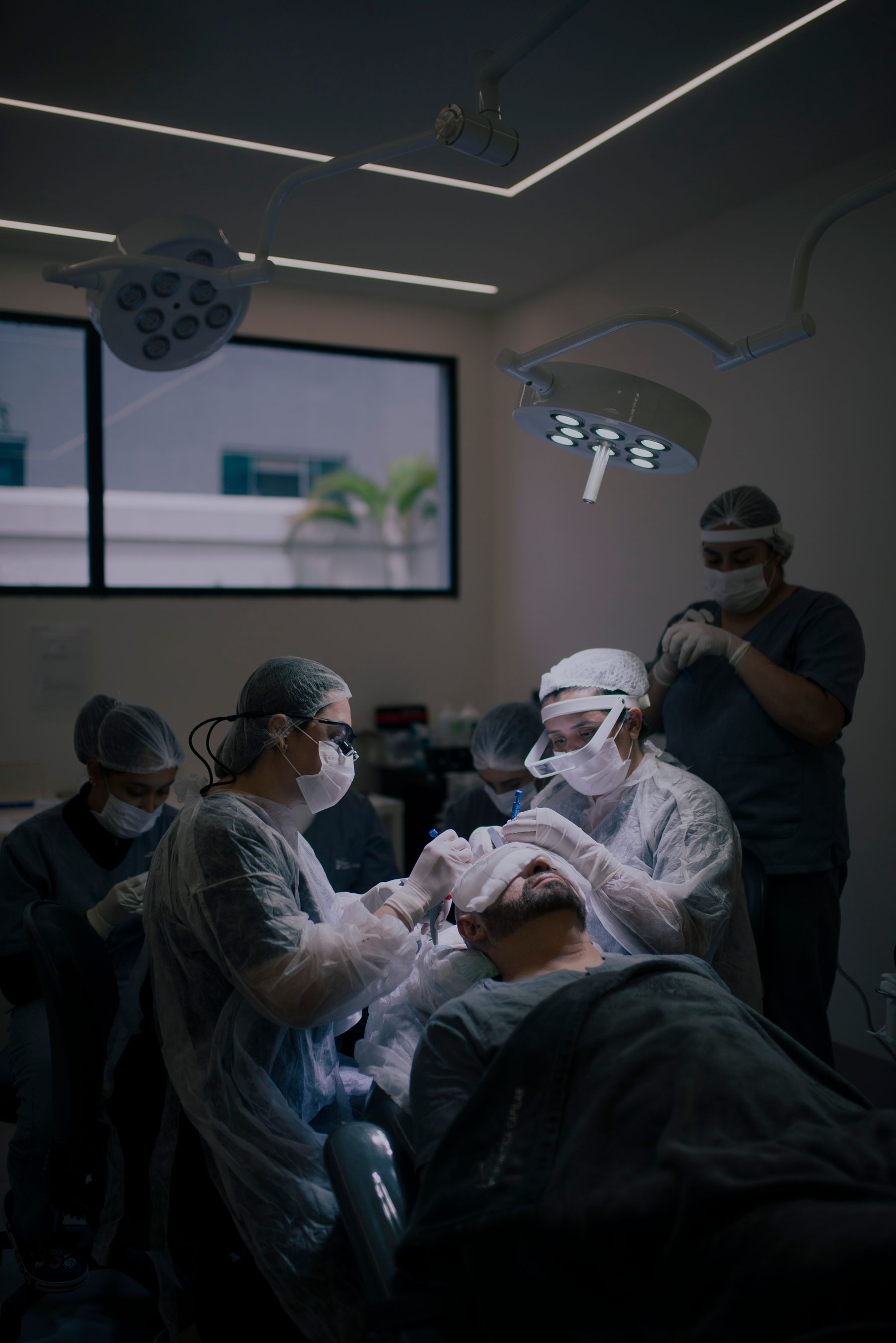
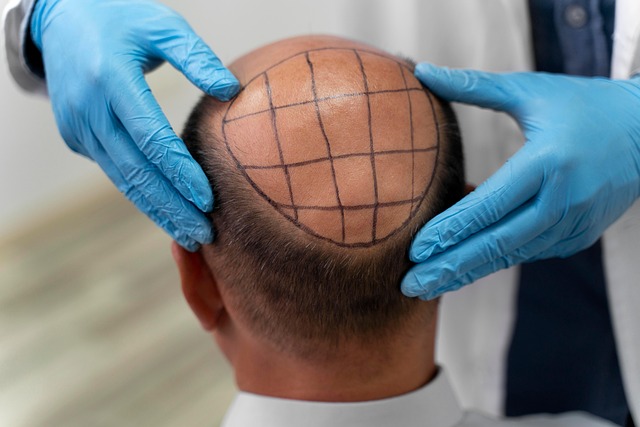
These editorial images now focus on the procedure itself: graft preparation, clinical work and before-and-after context. They are licensed reference photographs, not HairTransplantCenter patient results, and can be replaced from Site settings with owned clinic photography.

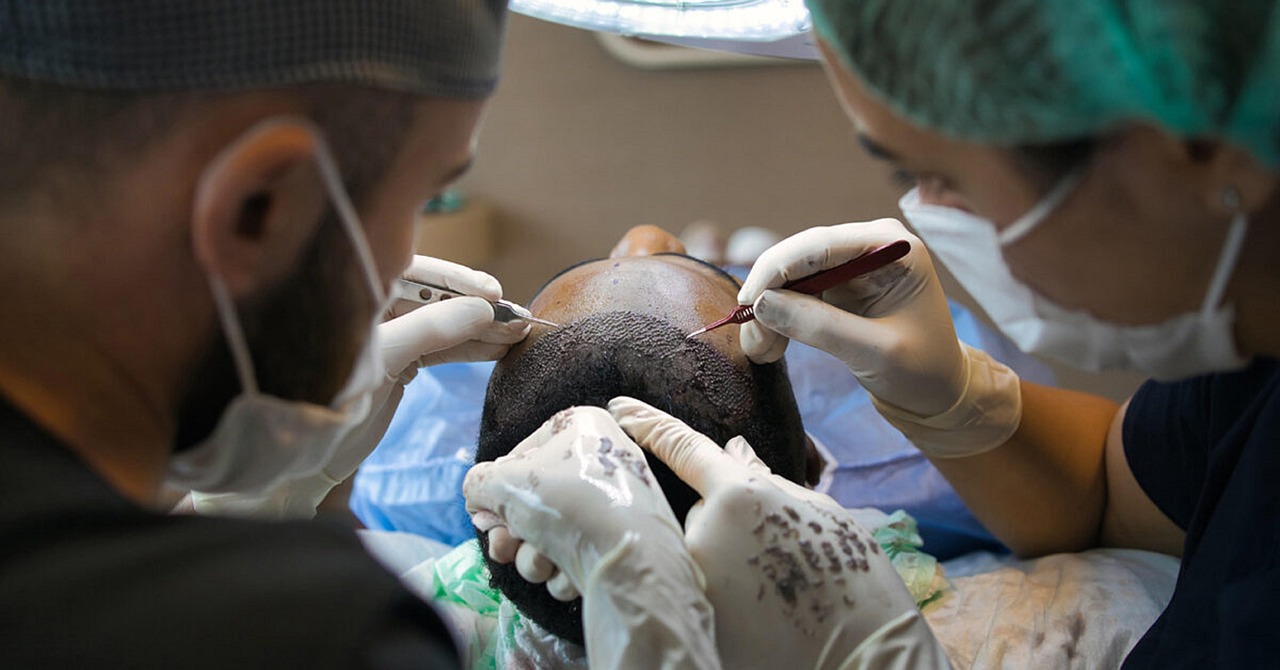
See unmistakable hair-transplant photography: a freshly transplanted scalp, graft preparation, a real clinical procedure and before-and-after context. No generic treatment imagery in this section.
Good information makes space for questions. These are a few of the most useful ones to begin with.
Explore all questions ↗Begin by understanding the reason for your hair loss and the questions you want answered. Explore the patient guide, then arrange an assessment with a qualified clinician before deciding on a procedure.
They describe different parts of a procedure. FUE refers to harvesting donor grafts; DHI commonly describes an implantation approach. A proposed procedure may involve both. Ask for the complete sequence.
Photographs may help start a discussion, but a final plan needs an appropriate clinical assessment. Ask how any preliminary estimate was made and what may change after examination.
Hair growth develops over months. The timing of a mature result varies and may extend beyond a year. Your treating clinician should explain the review schedule for your case.
No. The cause of hair loss, scalp condition, donor hair and wider medical circumstances must be assessed. Surgery is not appropriate for every person or every pattern of loss.
DecisionsLook at time intervals, lighting, styling and donor views to understand what a set of result photographs can and cannot show.
Read the storyHair healthHow to describe the changes you notice and prepare useful information before discussing hair restoration options.
Read the storyDecisionsA practical framework for comparing procedure scope, follow-up, travel arrangements and the financial terms behind a quote.
Read the storyAsk about your options, preparation or where to begin.